Process · shown on our original series Colour Collector
You bring four things. We do everything else: twelve stages of design, direction and craft, with three moments where you approve before anything is final.
What you bring
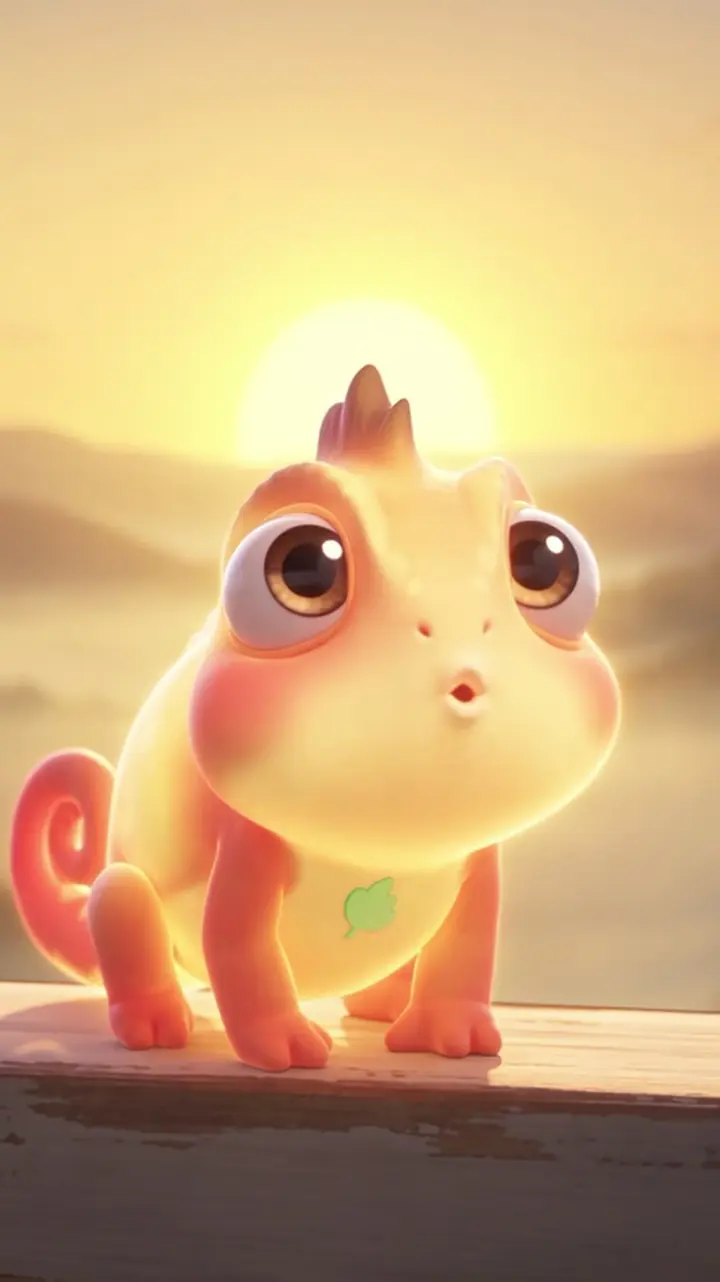
A pet whose colour changes with joy.
Gratitude, and a little happiness.
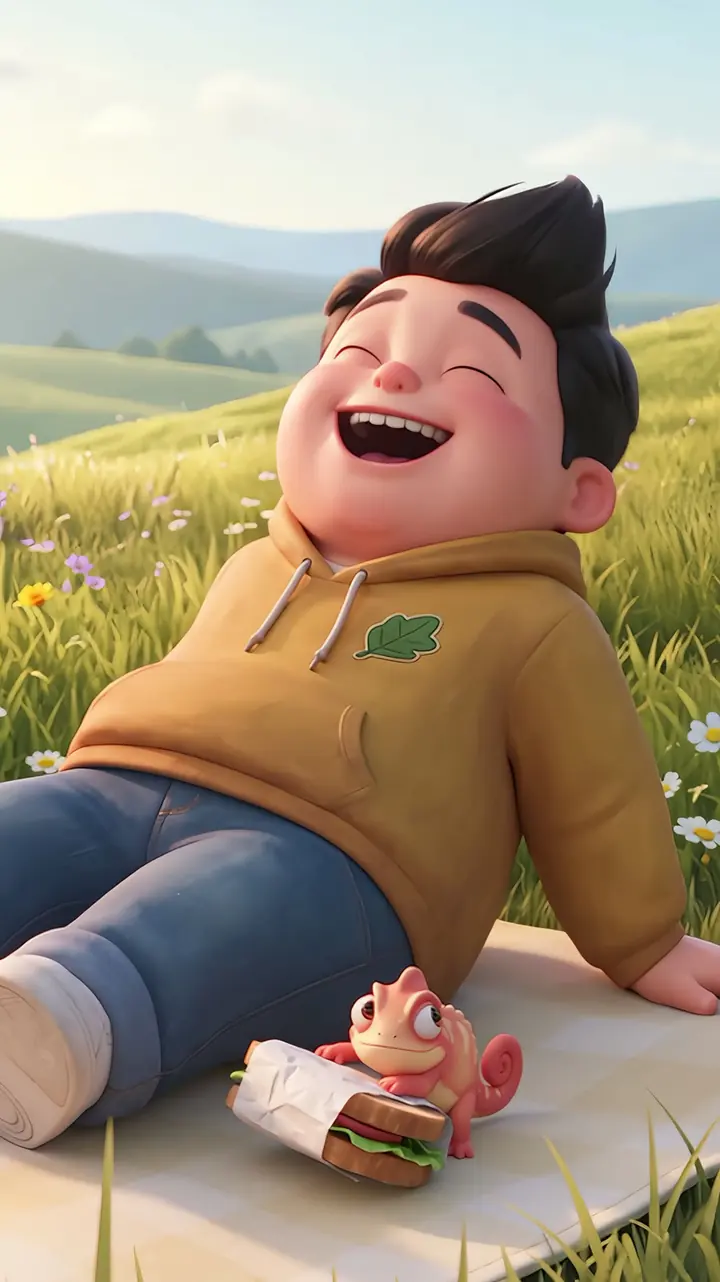
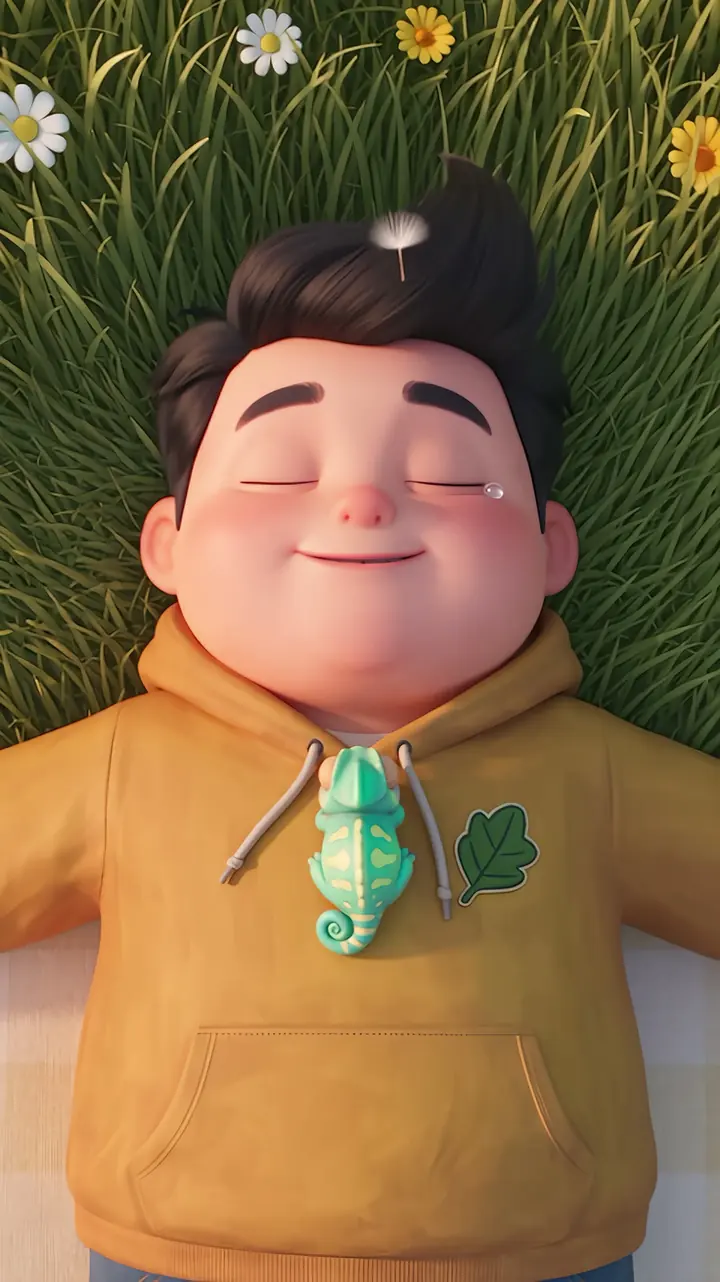
A kind man and his chameleon find wonder in small moments.
The beauty in the simplest moments.
What New Creative Design does
Turn a feeling into an idea people will stop scrolling for.
We translate your four inputs into a creative brief: audience, platform, length, tone, and what "success" means for you.
YOU RECEIVE · a one-page brief in your words, every line marked as covered or open.

We find the true, tiny moment the audience has felt themselves, and build a repeatable engine around it: in every episode a moment of joy becomes a colour JUJU collects.
YOU RECEIVE · the concept sheet: insight, cast, series engine, episode slate, and the 15-second structure every episode follows.
The hook in the first two seconds, the payoff by ten, a held beat at the end so the loop restarts.

You approve the idea and the slate before a single frame is designed.
Characters, worlds and a script timed to the frame.
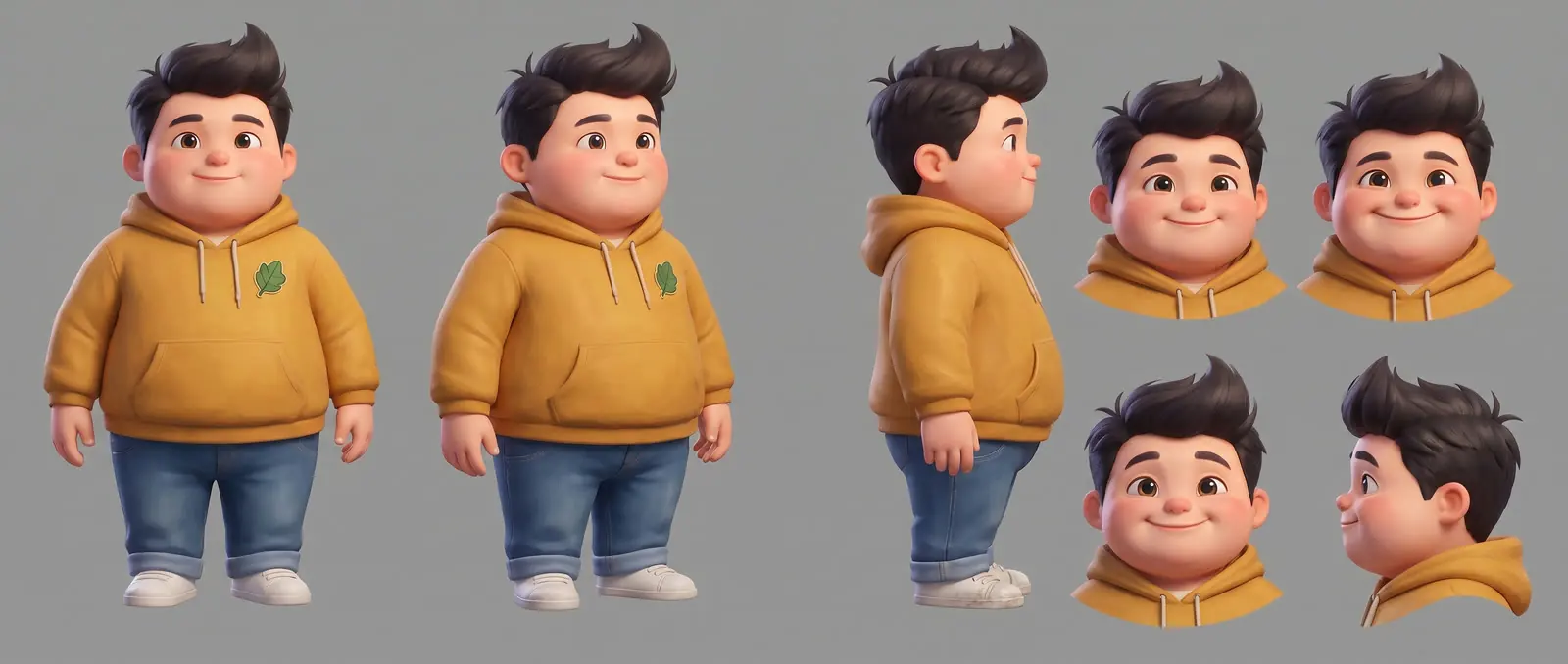
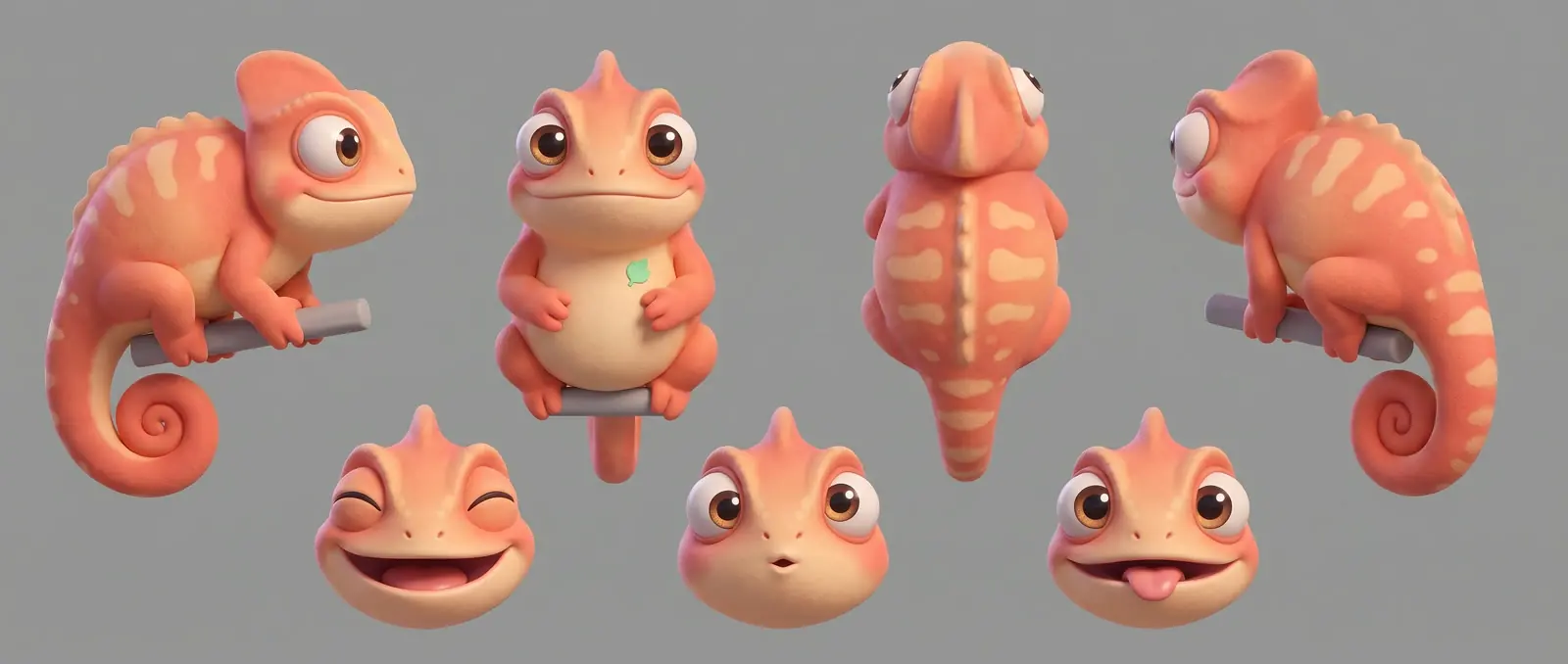
Full turnarounds, expression sets, and for JUJU a colour-behaviour board: how an impossible colour travels and glows. Proportions are tuned to read on a phone at arm's length.
YOU RECEIVE · character sheets, locked as identity references so the cast looks the same in every shot of every episode.


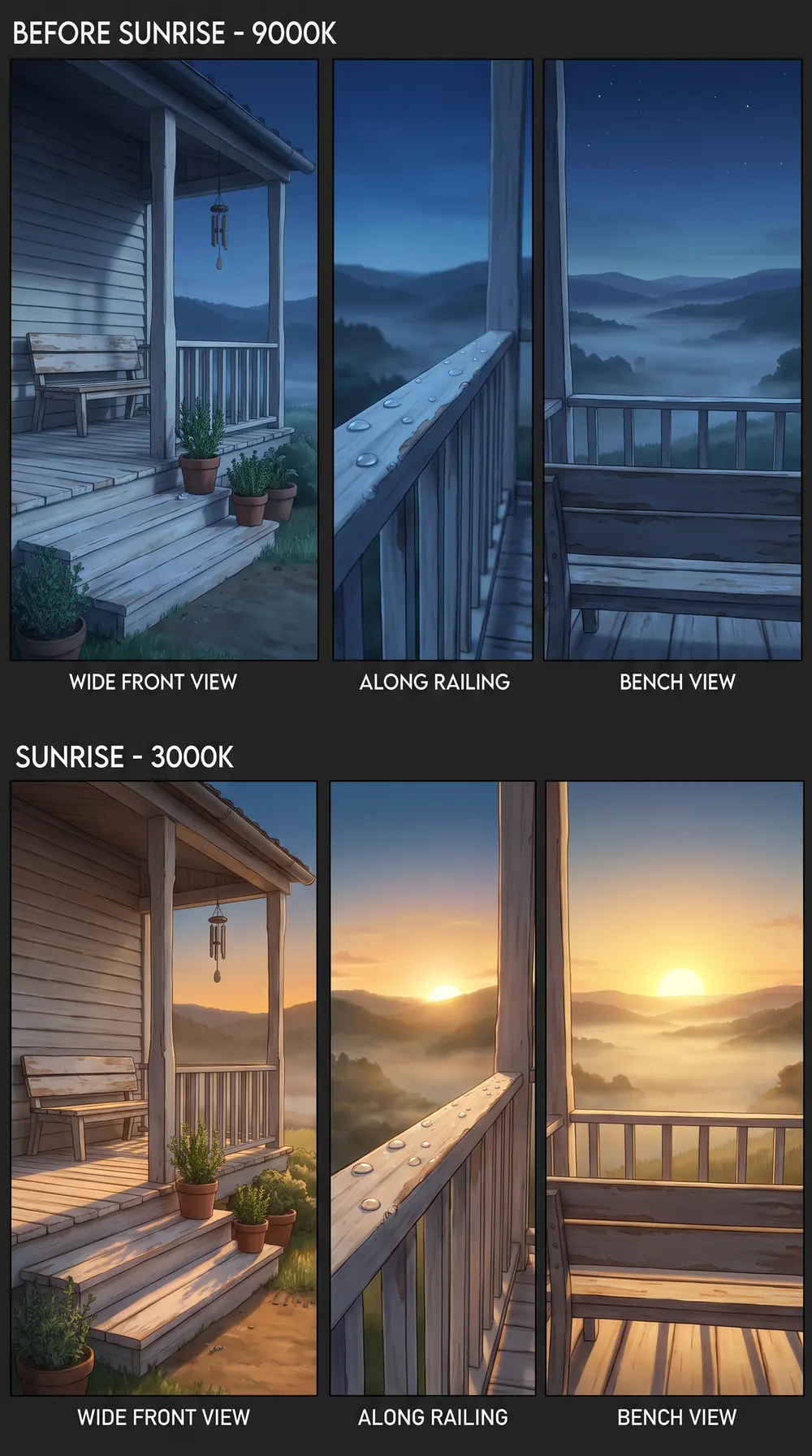
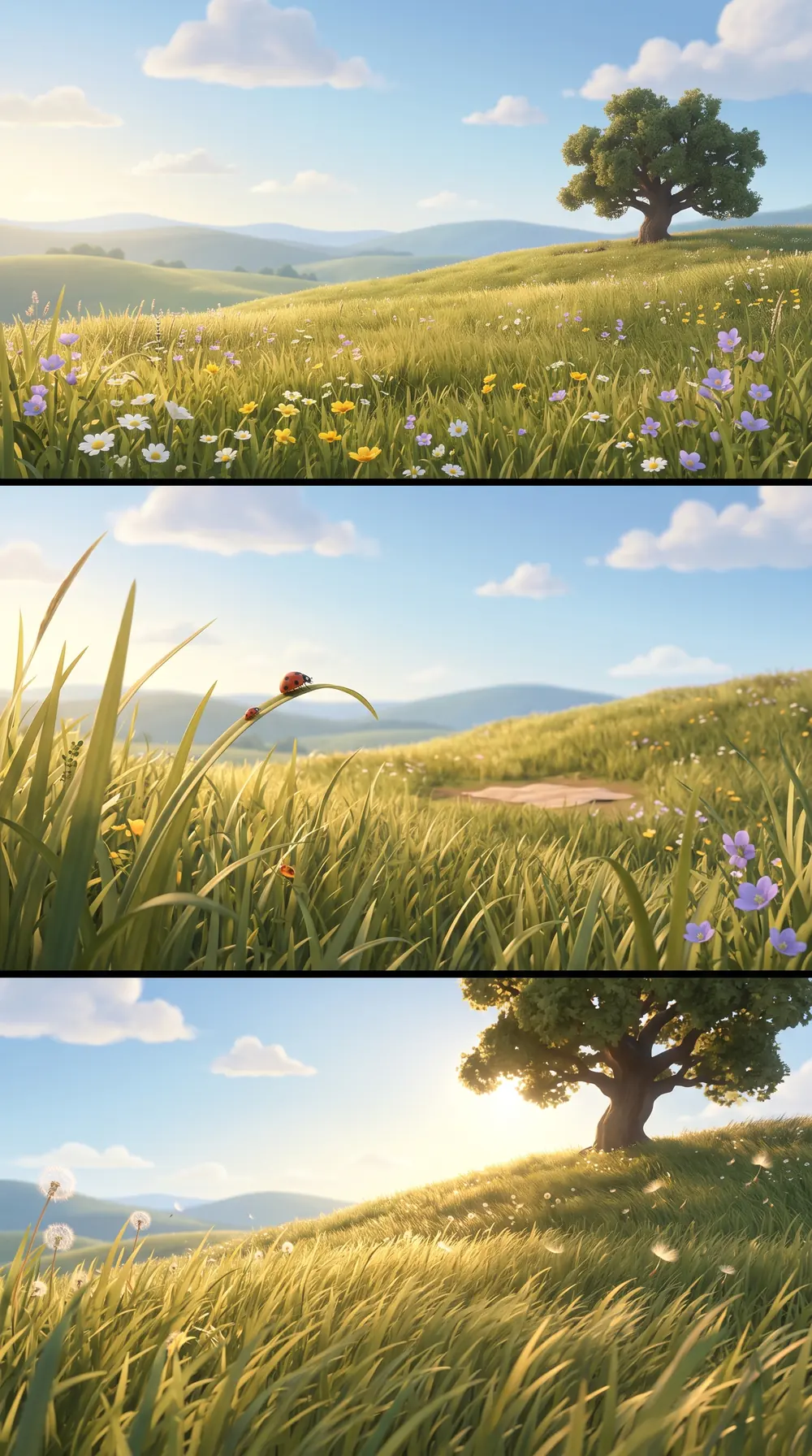
A location sheet for every episode, composed for the vertical frame, with its light specified by colour temperature and direction, often in more than one state.
YOU RECEIVE · location and prop sheets per episode.
The porch at dawn exists twice: pre-dawn blue at 9,000 K, and sunrise gold at 3,000 K.

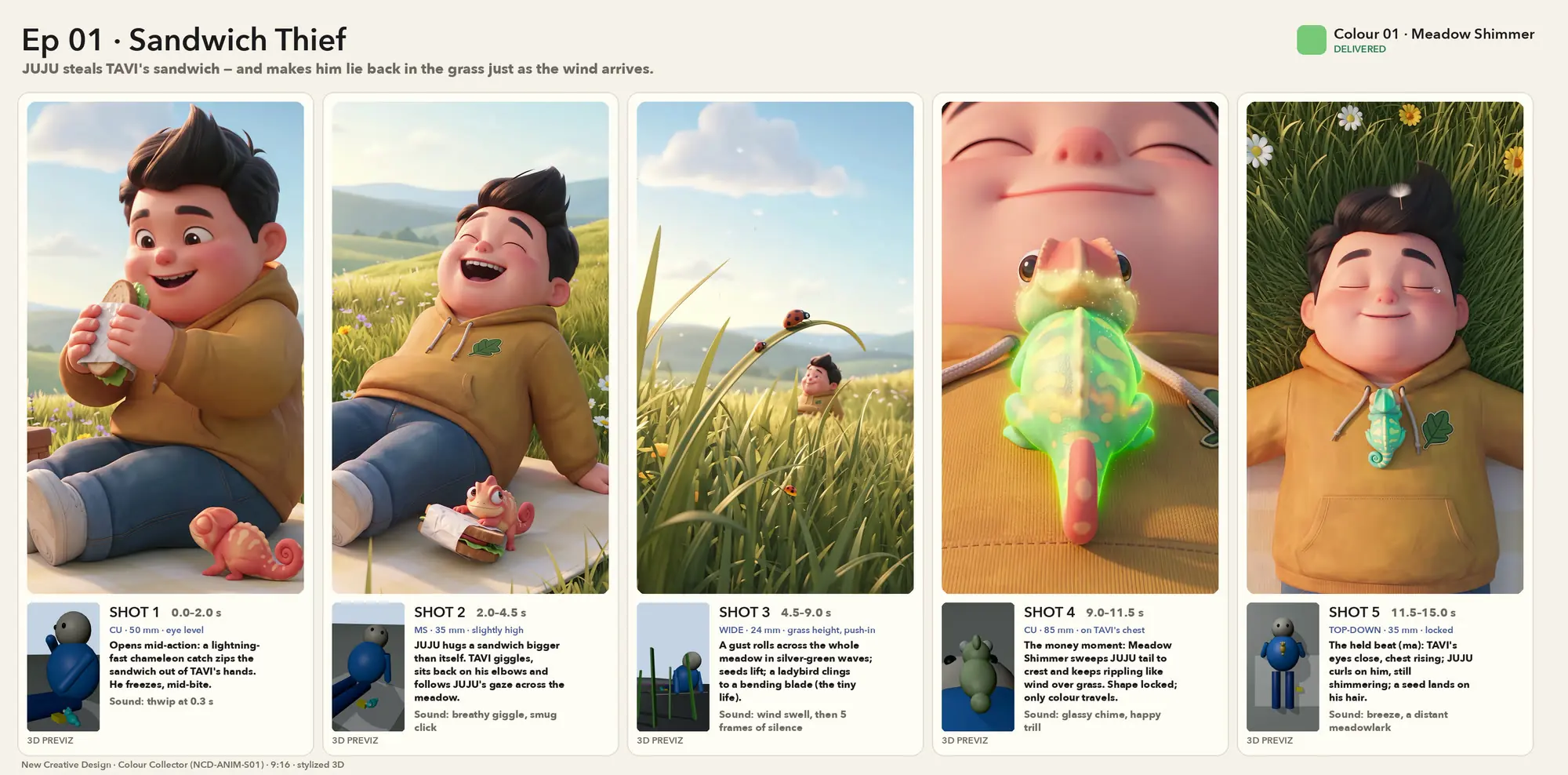
Five shots and four cuts, timed to the frame. Each shot has its lens, its camera move, its beats, the character's motive, and its sound, timed to a tenth of a second.
YOU RECEIVE · the shooting script. An excerpt from episode 1:
| Shot | Camera | Action | Sound |
|---|---|---|---|
| 1 · 0.0–2.0 s | Close-up, 50 mm | Open mid-action: the sandwich zips out of TAVI's hands. | "thwip" at 0.3 s |
| 3 · 4.5–9.0 s | Wide, 24 mm, grass height | A gust rolls across the meadow in silver-green waves; a ladybird clings to a bending blade. | wind swell, then 5 frames of silence |
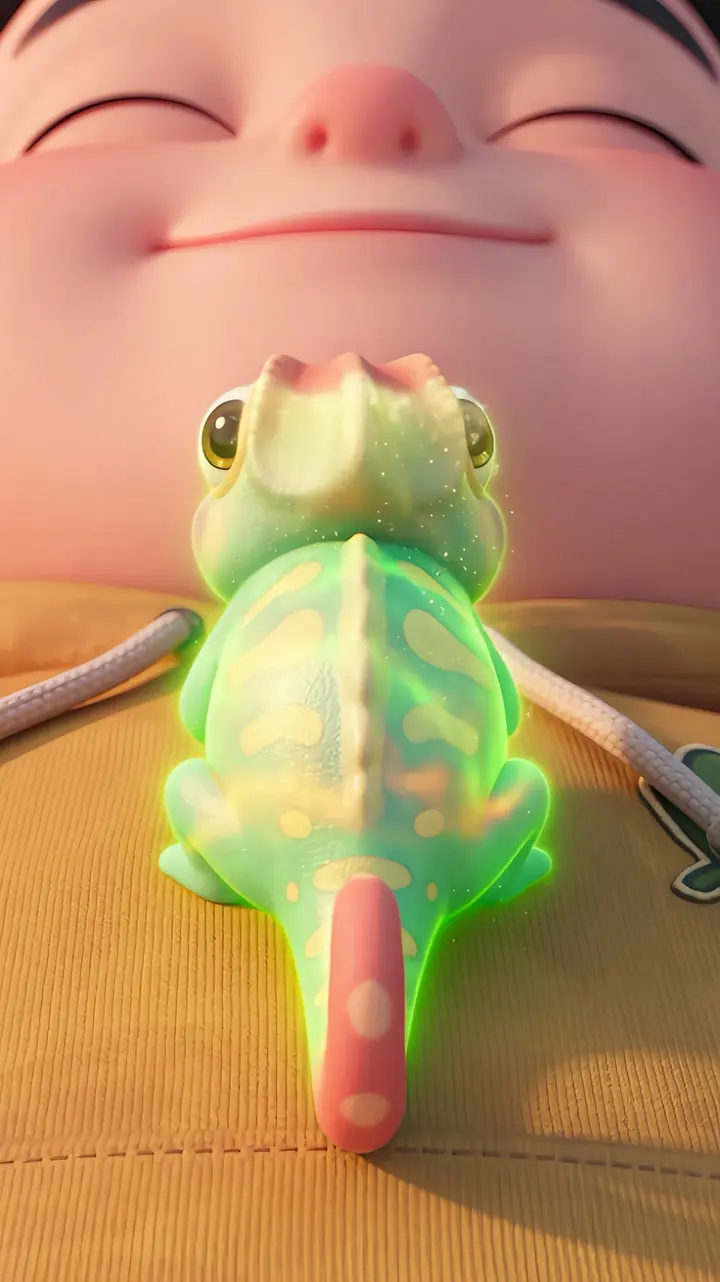
| 4 · 9.0–11.5 s | Close-up, 85 mm | The colour sweeps JUJU from tail to crest; its shape never changes. | glassy chime, happy trill |

Every shot drawn up with its timing, lens, action and sound, so you can read the whole film before it exists.
YOU RECEIVE · the storyboard board for each episode.

Characters, worlds and storyboard are signed off together.
Plan every camera move in 3D, where changes cost nothing.
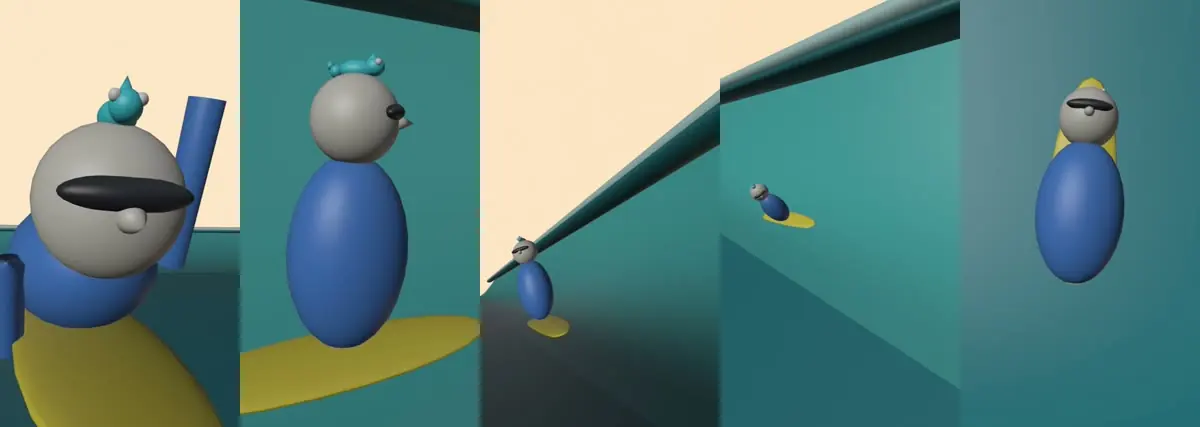
We block the whole film in a real 3D scene: real lenses from 16 to 85 mm, real camera rigs (dolly, crane, handheld, drone), and simple coloured stand-ins for every character. Each episode gets one designed "money move" on the story's peak.
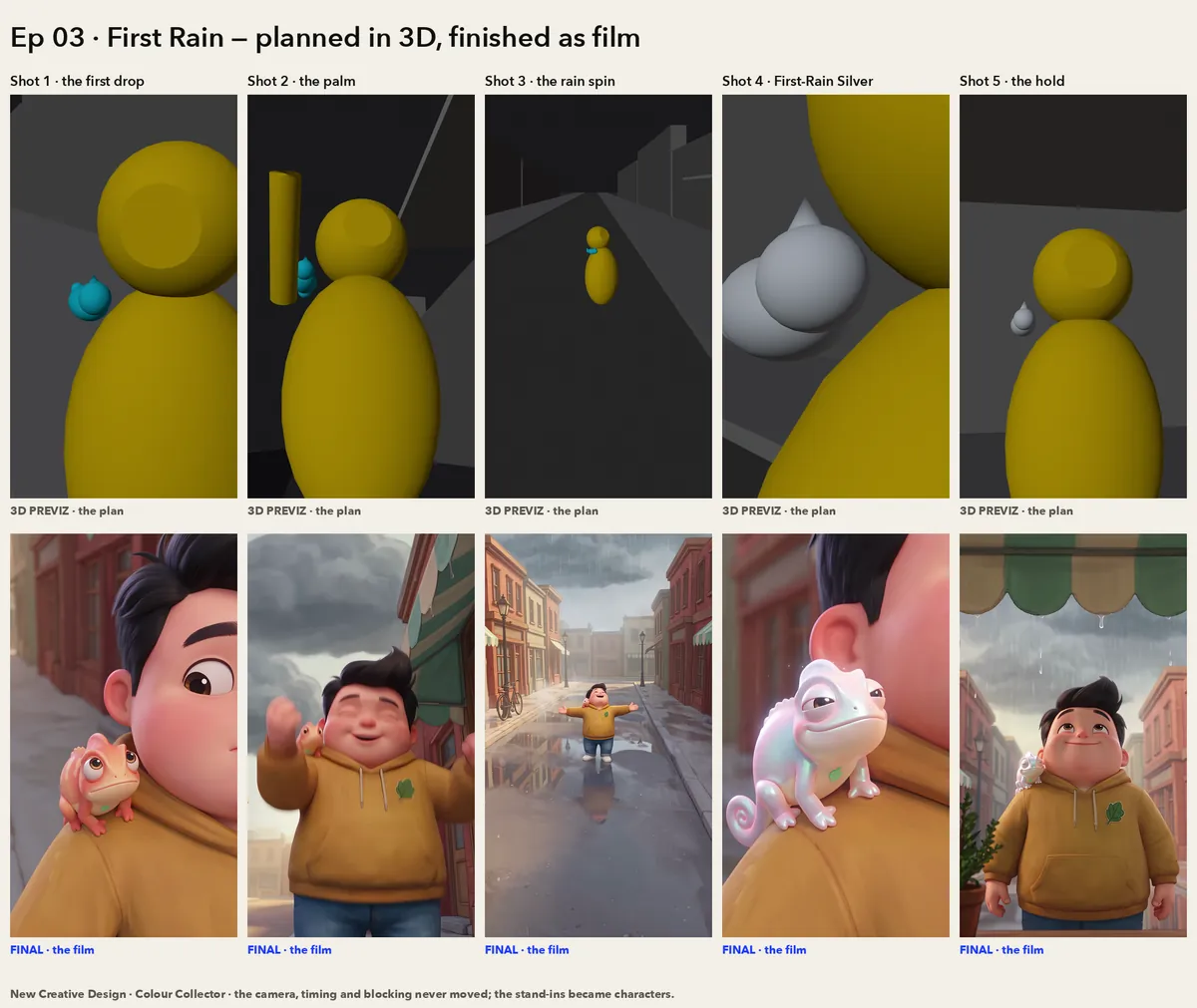
YOU RECEIVE · the previz film, plus a board of the previz beside the location design.
Every move passes a 35-point camera checklist: smooth acceleration, readable pan speeds, a level horizon, a hold on every landing. Episode 4's wave took three rounds to pass.


You watch the film in 3D, with every cut and camera move in place. Changes happen here, where they cost nothing, not after the final render.
The approved previz drives the animation frame for frame. With it goes a director's brief of about 1,200 words per 15 seconds: how each thing moves under its own physics, the light in Kelvin, the acting beats, and every sound cue on its timecode.
YOU RECEIVE · nothing to review here: this is our craft working.
"JUJU's body, crest, eyes and size stay identical; only the hue travels tail to crest as one smooth gradient wave."

Measured, not eyeballed. Finished for every screen.
Every render is measured: cut timing to within a tenth of a second, frame-by-frame motion, the characters checked against their sheets, the colour sweep's direction, the sound. Whatever fails is fixed in the edit or redone.
YOU RECEIVE · the approved cut.
Episode 3 was built on our clean 3D reference standard, and its first render passed every check: cuts within one frame of the plan, the whole cast in every shot.

Upscaled to 2K (1440 × 2562) at 24 fps, with episode cards, captions written for each platform, posters and stills.
YOU RECEIVE · the master files and a ready-to-post kit.

The detail inside 15 seconds
Behind the scenes
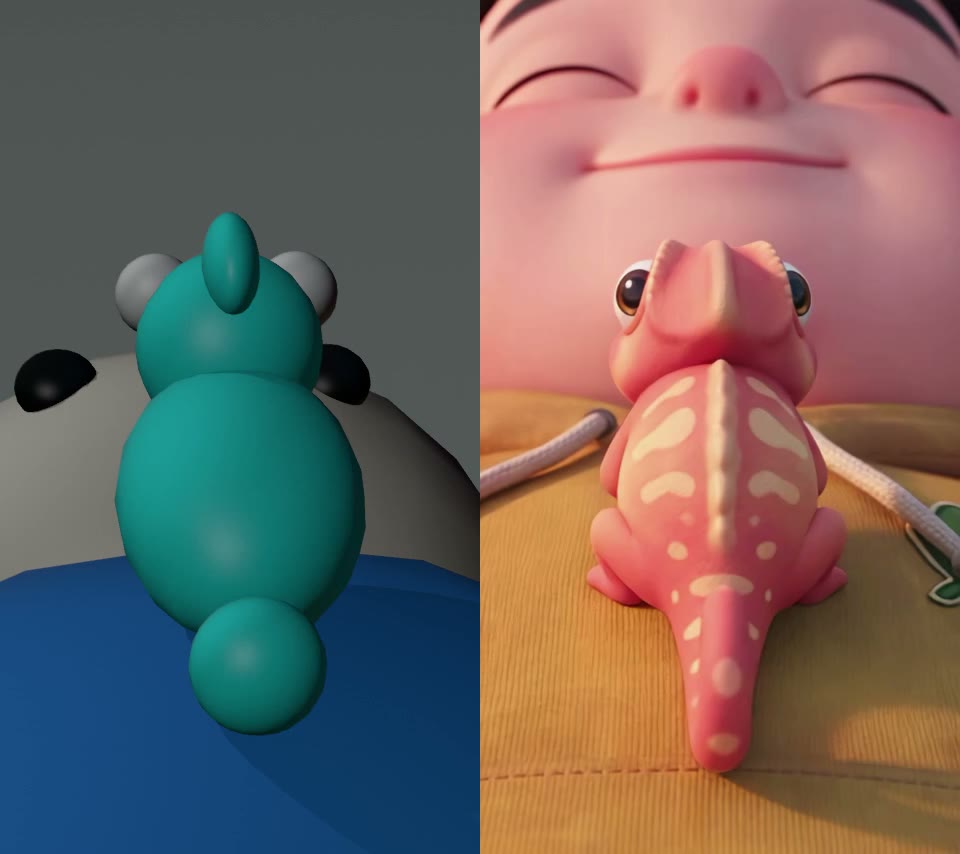
The left half is our 3D previz: coloured stand-ins, real lenses, every cut in place. The right half is the finished episode. The camera, the timing and the composition never moved. The stand-ins became characters.
Because the film is decided in previz, the render is a confirmation, not a gamble: episode 3 came out right on its first render.
Three approvals land before the final render. You change a camera move in the previz, not in a finished film.
Characters and worlds are locked as references, so episode 12 looks like episode 1.
Timing, motion, identity and sound are checked with numbers before anything reaches you.
What you receive, per episode
An idea, a feeling, a story and a theme are enough. We’ll show you the concept first.